Land Clearing for Wildfire Defense in Yakima
Professional land clearing for wildfire defense is one of the most effective steps a Yakima property owner can take to protect their home this fall. Fire seasons are getting longer, and the dry conditions across Central Washington have made defensible space a genuine priority, not an afterthought.
Joe's Tree Removal works with local homeowners and property managers to create buffer zones that slow fire spread and give firefighters a fighting chance. If your property has overgrown brush, dense tree canopies, or dying vegetation near your structures, now is the time to act.
Why Yakima Properties Face Elevated Fire Risk in 2026
The Yakima area sits in a high-desert climate. Summers are hot and dry. By the time September arrives, grasses are cured out, soils are parched, and any spark can ignite fast-moving ground fires.
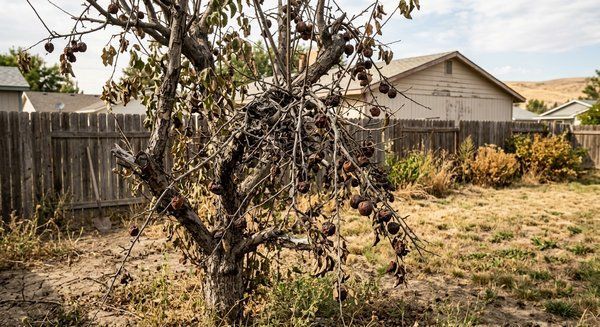
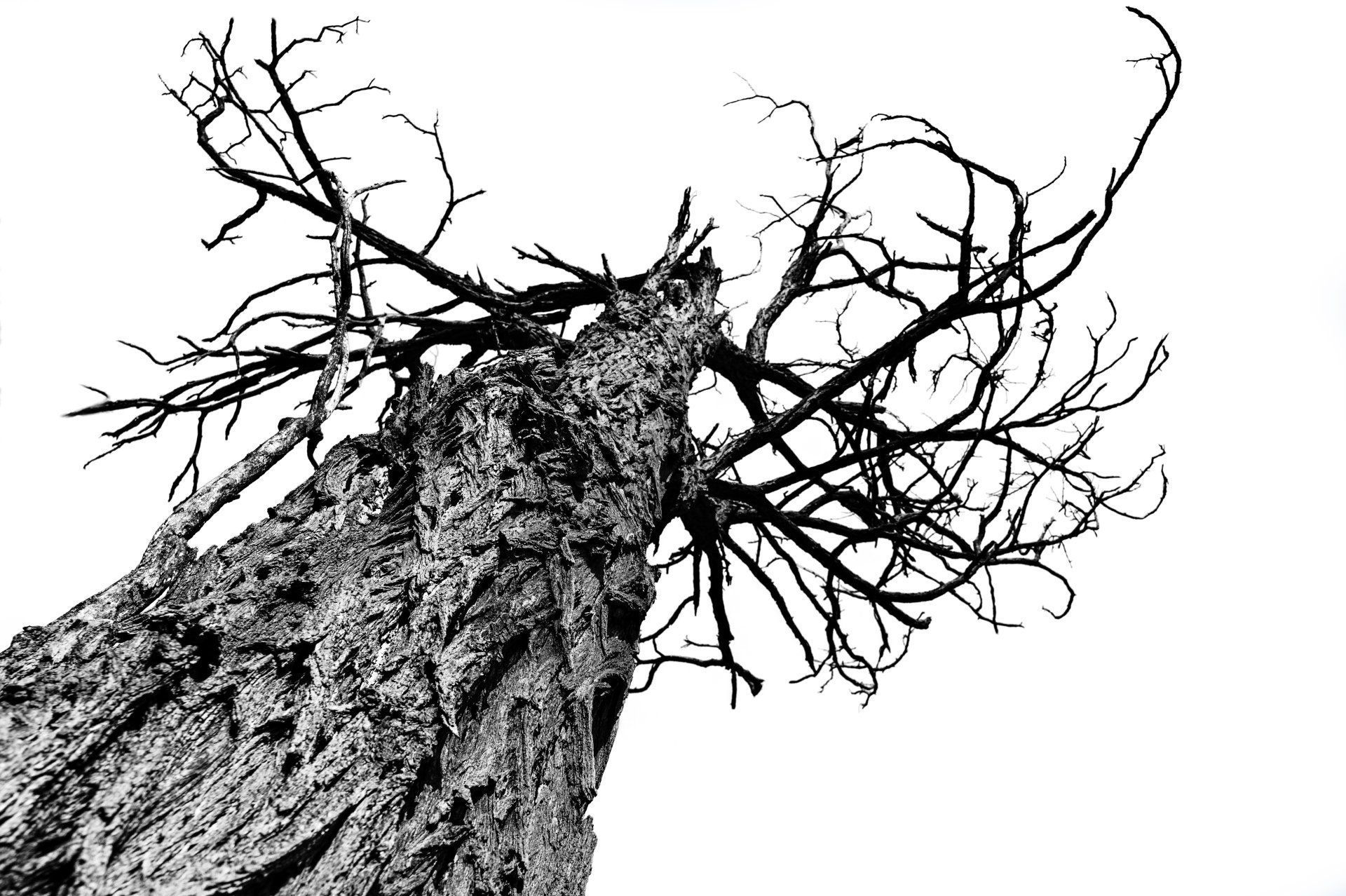
Washington DNR forest health surveys have documented tree damage, defoliation, or mortality on approximately 391,000 acres across the state. Many of those compromised trees are standing on private residential land right now. Dead and dying trees are fuel. Clearing them is not optional.
Drought stress also creates a sneaky hazard called delayed mortality. A tree can look healthy on the surface while its vascular system quietly fails inside. When fall windstorms roll through the valley, those weakened trees become projectiles. A proactive land clearing plan addresses both problems at once.
The Three-Zone Defensible Space System
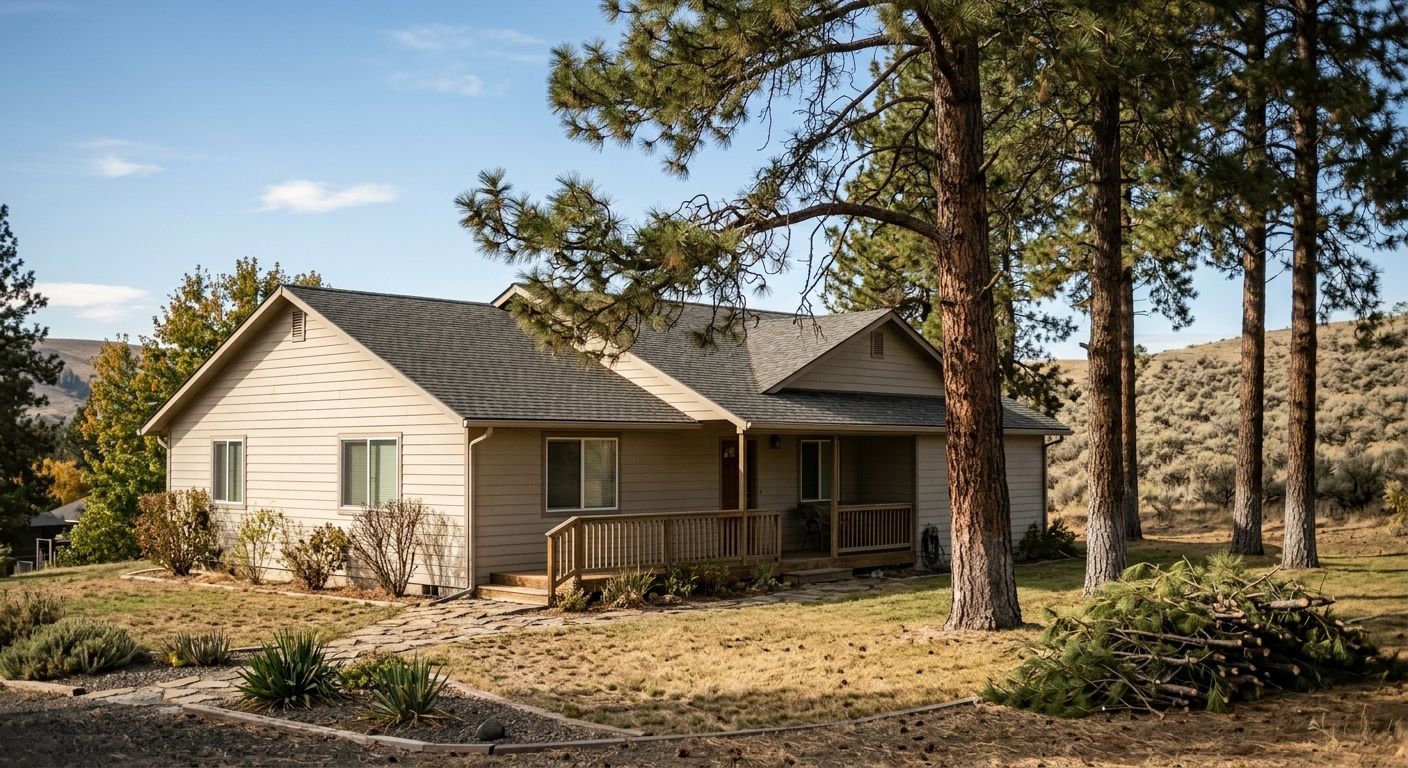
Washington State DNR guidelines break defensible space into three distinct zones around any structure. Each zone requires a different level of clearing and vegetation management.
Zone 1: The Immediate Zone (0 to 5 feet)
This is the ground directly against your home, deck, or outbuilding. Everything combustible must go. That means dry mulch, overhanging branches, dead shrubs, and any debris that could ignite from a floating ember.
Zone 2: The Intermediate Zone (5 to 30 feet)
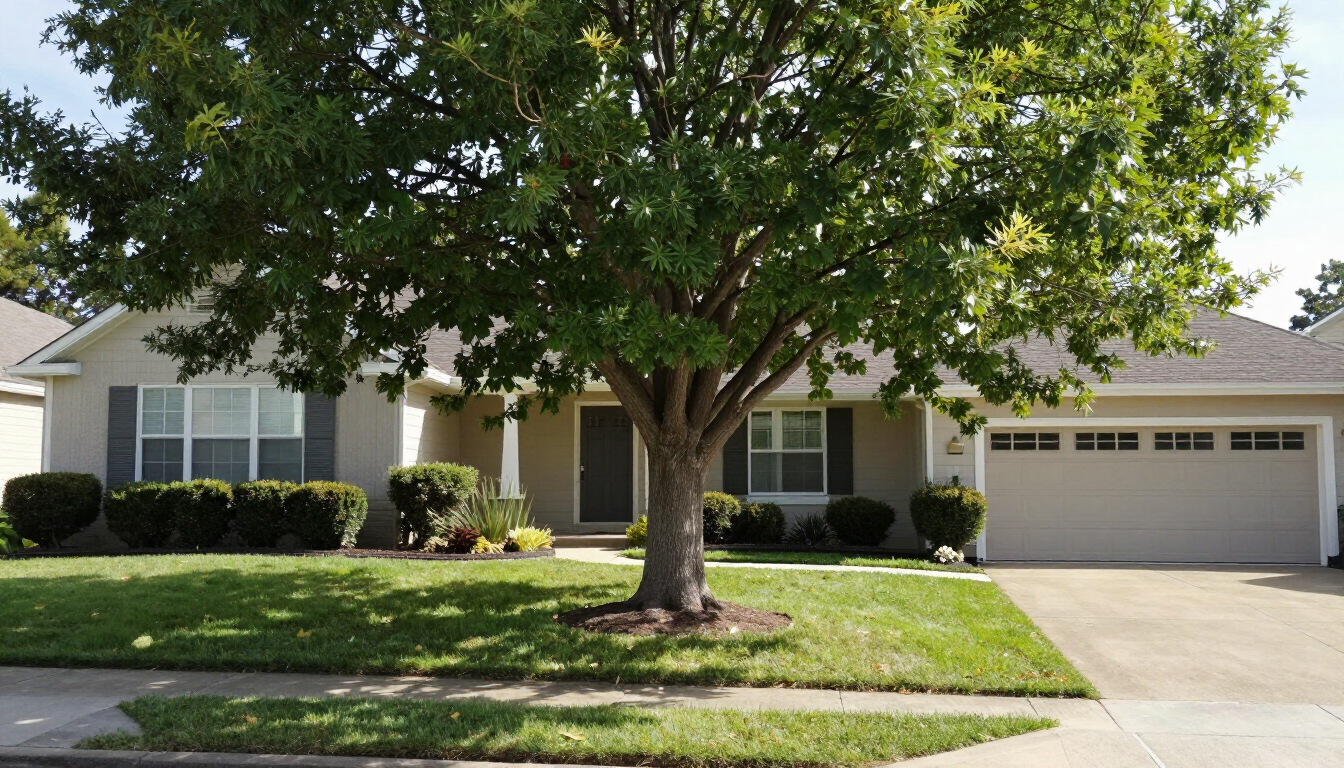
This zone requires thinning tree canopies so they are spaced at least 10 feet apart. Ladder fuels are the main target here. Ladder fuels are low-hanging branches and dense brush that allow a ground fire to climb up into the treetops. Removing them interrupts that path.
Zone 3: The Extended Zone (30 to 100+ feet)
In this outer zone, selective tree removal focuses on dead, dying, or heavily leaning trees. The goal is to interrupt the momentum of an approaching fire before it reaches Zone 2. Spacing here does not need to be as tight, but density still matters.
What Professional Land Clearing Actually Involves
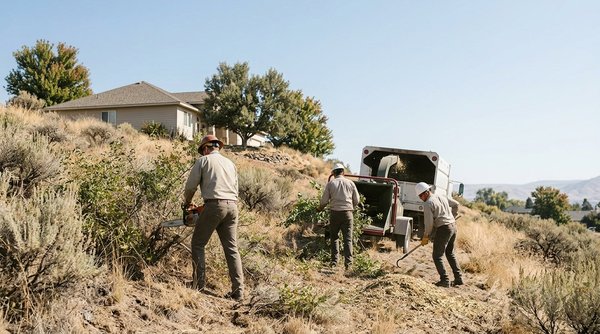
Clearing land for wildfire defense is not the same as mowing a lawn. It involves strategic decisions about which trees to remove, which to keep, and how to handle the debris responsibly.
A professional crew will typically:
- Assess tree health and identify drought-stressed or structurally compromised specimens
- Remove dead trees, fallen limbs, and dense understory brush
- Thin canopy crowns to meet the 10-foot spacing standard
- Chip or haul away all debris so it does not become a fuel pile on site
- Recommend follow-up trimming schedules to maintain the cleared zones
Clearing debris and cutting trees without a plan can actually backfire. Piling cut material near a structure is just as dangerous as leaving it standing. Professional crews know how to dispose of material correctly.
Stump Removal After Clearing: Do Not Skip This Step
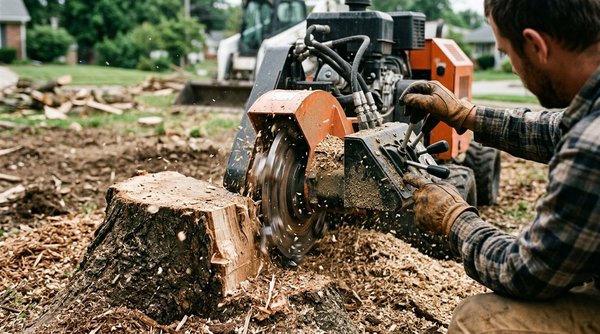
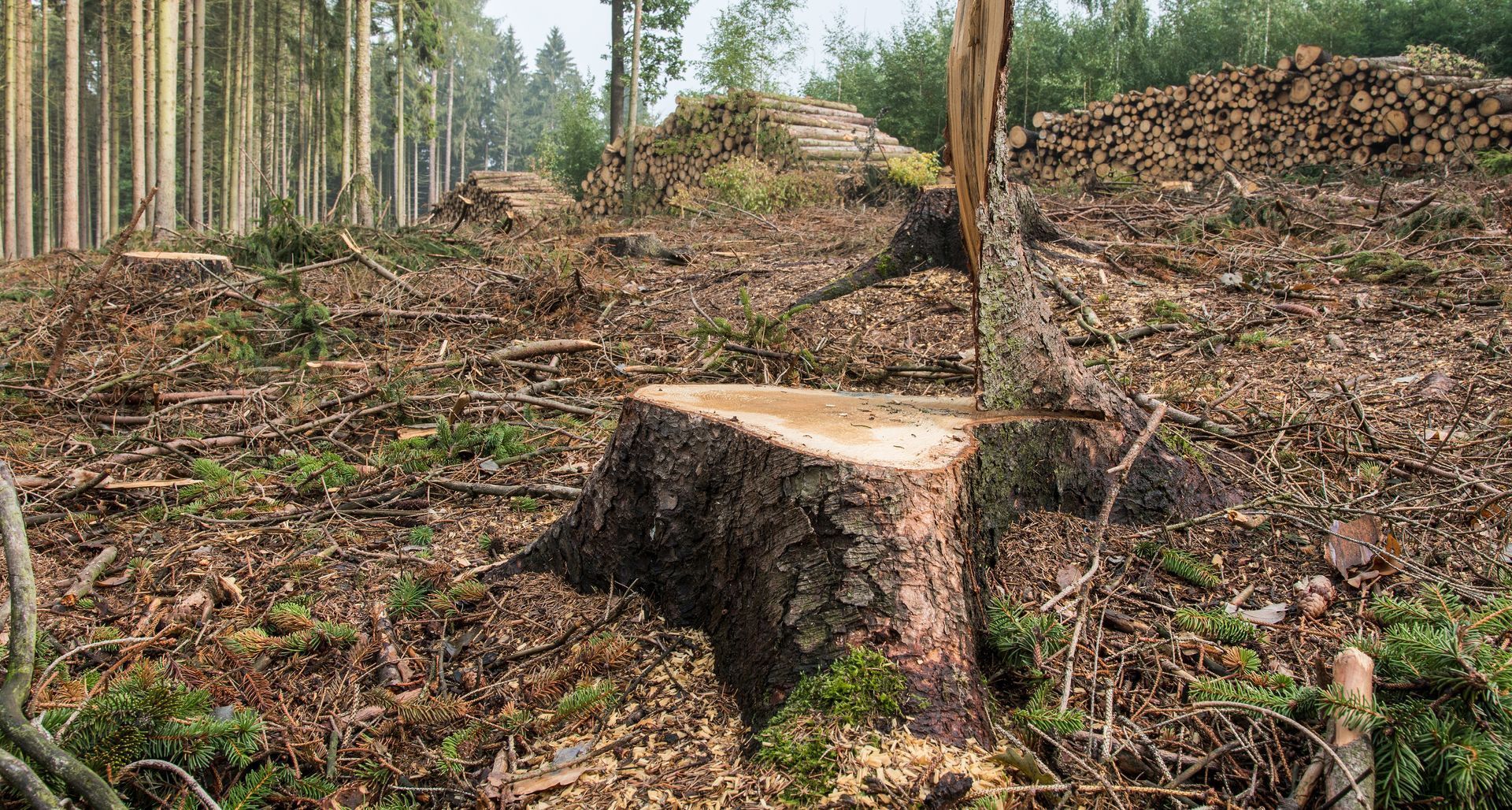
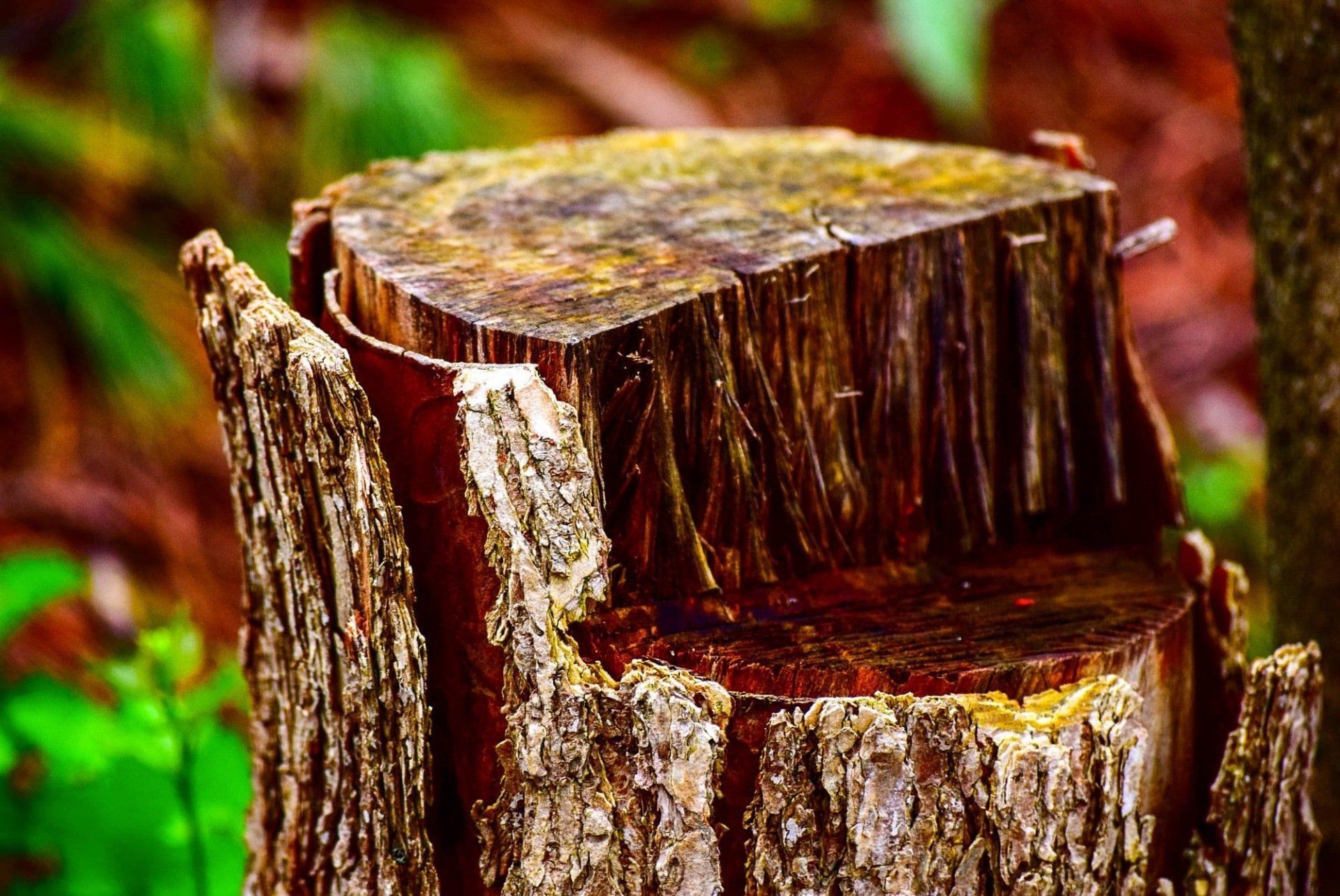
After trees come down, stumps stay behind unless you address them directly. Left in the ground, stumps attract wood-boring insects and fungal pathogens like Armillaria root rot. Those problems can spread underground and compromise otherwise healthy trees you planned to keep.
Stump grinding eliminates the root zone, removes trip hazards, and reclaims usable ground. For properties undergoing serious wildfire mitigation work, grinding stumps is part of completing the job correctly, not an optional add-on.
Signs Your Yakima Property Needs Land Clearing Now
Not every property requires a full overhaul. But certain conditions signal an urgent need for professional assessment this fall.
Watch for these warning signs:
- Trees leaning toward the house or toward power lines
- Heavy canopy coverage with branches touching or nearly touching the roofline
- Dead wood visible in the upper canopy of multiple trees
- Brush or undergrowth that is knee-high or taller within 30 feet of any structure
- Stumps from previous tree removal that were never ground down
- Any history of bark beetles, fungal conks, or visible root decay at the base of a tree
If even one or two of these apply to your property, a professional evaluation is a smart call before winter storms arrive.
Protecting your home starts with clearing the ground around it. Reach out to Joe's Tree Removal today to schedule a property assessment and get your defensible space established before the season changes.
Frequently Asked Questions
Do I need a permit to clear trees on my property in Yakima?
Permit requirements vary based on the size of the clearing project and the location of your property. A licensed professional familiar with local regulations can help you determine what approvals, if any, are needed before work begins.
How often should defensible space be maintained after the initial clearing?
Vegetation grows back. Most fire safety experts recommend inspecting and touching up defensible space zones at least once a year. In Yakima's climate, a late-summer or early-fall check is ideal, right before the peak windstorm season.
Can I do my own land clearing for wildfire defense?
Small-scale tasks like raking debris or cutting back low shrubs are manageable for most homeowners. Removing trees, grinding stumps, and thinning canopies safely requires professional equipment and training. Improper cuts can structurally weaken trees and increase long-term risk rather than reduce it.
What is the difference between land clearing and tree trimming for fire safety?
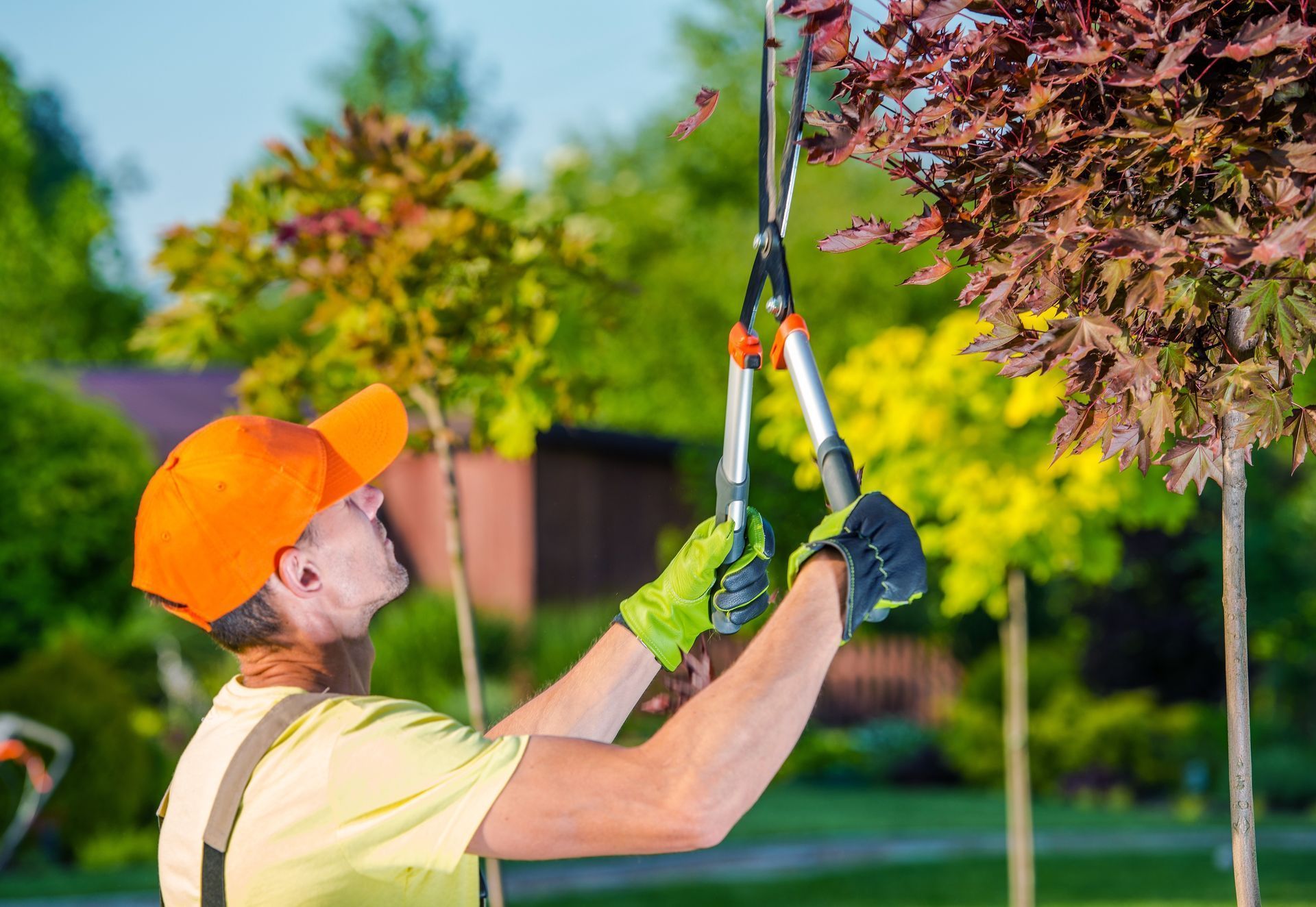
Land clearing focuses on removing vegetation, trees, and ground-level fuels across a property. Tree trimming targets individual trees, removing ladder fuels and canopy weight to make them more fire-resistant and wind-stable. Both are often used together in a complete defensible space strategy.
Will clearing my property affect its appearance or value?
Done strategically, wildfire-focused land clearing often improves a property's appearance by eliminating dead wood and overgrowth. It also reduces liability exposure significantly, which is a genuine factor in property value and insurance considerations.
Need a hand with your trees? Contact us today at (509) 941-9430 or request a free quote and we’ll take a look.